
Lower Crossed Syndrome & Tight Hip Flexors in Georgetown: How Chiropractic Care Rebuilds Your Foundation
- Dr. Thomas
- Feb 22
- 2 min read
Updated: Mar 3
Forward leaning posture, persistent low back pain, and tight hips plague many active adults in Georgetown. Lower Crossed Syndrome, a muscle imbalance pattern, lies at the heart of this issue, creating a vicious cycle of weakness and tightness that undermines stability and function. At Thomas Back and Body, chiropractic care and targeted rehab restore balance, addressing the root cause for lasting relief (Sahrmann, 2002).

Lower Crossed Syndrome: The Muscle Imbalance Pattern
Lower Crossed Syndrome features tight hip flexors (iliopsoas) and lumbar extensors (erector spinae) paired with weak glutes (maximus, medius) and deep core (transversus abdominis). Prolonged sitting shortens hip flexors, pulling the pelvis into anterior tilt and arching the low back. Weak glutes fail to counter this, overloading the spine during walking, lifting, or sports. Studies confirm this pattern in 60-80% of chronic low back pain cases, linking it to poor load transfer and injury risk (Sahrmann, 2002).

How Tight Hip Flexors and Weak Glutes Cause Pain
Tight hip flexors limit extension, forcing lumbar overextension during gait and increasing disc pressure. Weak glutes and core reduce pelvic stability, shifting stress upward to the spine. This creates pain, fatigue, and compensatory shoulder/neck issues. Research shows hip flexor tightness correlates with reduced glute activation and higher lumbar loads (Konrad et al., 2021).
Dr. Thomas's Assessment and Treatment Approach
Dr. Thomas at Thomas Back and Body uses precise assessment techniques such as the single-leg bridge test, the tight hip flexor test, and pelvic tilt analysis.
Adjustments target sacroiliac/pelvic joints, restoring neutral alignment and hip motion (Ishitani Health, 2025). Soft tissue therapy releases iliopsoas/erectors, while Dr. Thomas's custom rehabilitation exercises activate the glutes and core. Evidence shows that rehabilitation exercises combined with spinal manipulation therapy helps rebuild patients' foundation and normalize their posture and load patterns (Nashville Chiropractor, 2020). Some examples of exercises in the hip flexor and lower back pain protocols are:
Glute bridges (hold 5s, 3x10).
Dead bugs for core stability.
Hip flexor stretches (lunge holds).
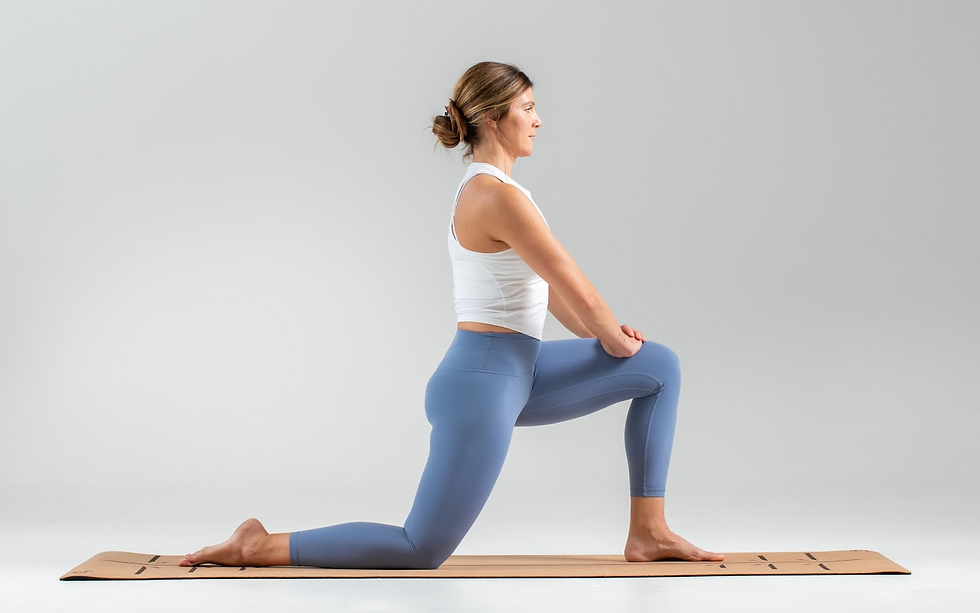
As well as Dr. Thomas's treatment, he will also identify potential root cause(s) of patient's lower cross syndrome and provide evidence-based suggestions to mitigate them. For instance, if you are sitting with the lower back and pelvis oriented forward into an anterior position, then Dr. Thomas may advise patients on how to set up an ergonomic work space demonstrate the optimal sitting posture.
Book Your Initial Assessment at Thomas Back and Body
Struggling with Lower Crossed Syndrome? Thomas Back and Body in Georgetown offers assessments, adjustments, and rehab to restore your foundation. Book your initial assessment today to begin your journey to a healthier spine.
The information provided in our blog posts and articles is for educational and informational purposes only. It is not intended to replace individualized medical advice, diagnosis, or treatment. Always consult a qualified healthcare professional for personal health concerns or before starting any new wellness, exercise, or treatment program.
References
Sahrmann, S. A. (2002). Diagnosis and treatment of movement impairment syndromes. Mosby.
Konrad, A., et al. (2021). The influence of stretching the hip flexor muscles on performance parameters. Sports, 9(3), 29.
Ishitani Health Center. (2025). Alleviating Lower Cross Syndrome with Chiropractic Care.
Nashville Chiropractor. (2020). Your guide to fixing Lower Cross Syndrome.


Comments