
Proper Lifting Techniques: How to Protect Your Back at Work, at Home, and in Georgetown Ontario
- Dr. Thomas
- 1 day ago
- 3 min read
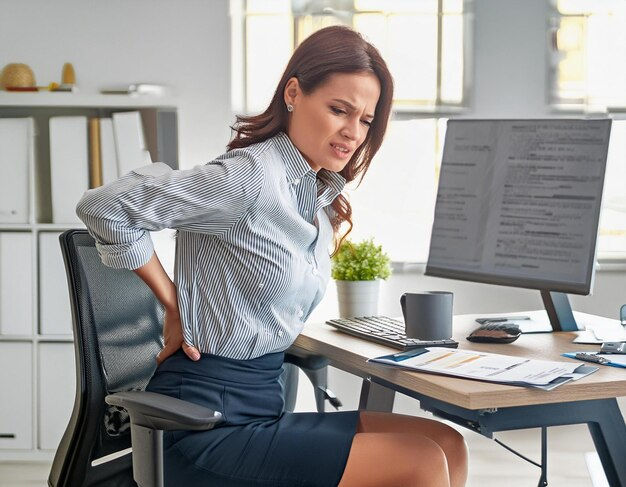
Back injuries are among the most common musculoskeletal problems affecting people at work and at home. Whether you are lifting boxes in a warehouse, carrying groceries, moving furniture, or gardening, using proper lifting techniques can significantly reduce your risk of pain and injury. At Thomas Back and Body in Georgetown, Ontario, we regularly help patients recover from preventable back strains caused by improper lifting habits.

Why Proper Lifting Techniques Matter
Using proper lifting techniques helps protect the muscles, ligaments, discs, and joints of the spine. Research shows that poor lifting mechanics can increase stress on the lower back and contribute to injuries such as muscle strains and disc problems (National Institute for Occupational Safety and Health [NIOSH], 2024). By lifting correctly, you can maintain spinal alignment and reduce unnecessary pressure on your back.
Many people assume that back injuries only happen in physically demanding jobs. However, everyday activities such as picking up children, moving household items, or shoveling snow can place significant strain on the spine when performed incorrectly.
Key Proper Lifting Techniques for Back Protection
Before lifting any object, assess its weight and determine whether you need assistance. If the item is too heavy or awkward, ask for help or use lifting equipment whenever possible.
Follow these essential lifting guidelines:
Stand close to the object with your feet shoulder-width apart.
Bend at your hips and knees rather than your waist.
Keep your back straight and maintain a neutral spine.
Tighten your core muscles before lifting.
Hold the object close to your body.
Lift smoothly using the strength of your legs.
Avoid twisting while carrying a load.
Turn your entire body by moving your feet instead of rotating your spine.
These recommendations align with occupational health and safety guidelines that emphasize reducing spinal stress through proper body mechanics (Canadian Centre for Occupational Health and Safety [CCOHS], 2024).

Protecting Your Back at Work and at Home
Workers in construction, manufacturing, healthcare, and retail often perform repetitive lifting tasks that increase injury risk. Employers may provide ergonomic training, but individuals must also consistently apply safe lifting practices.
At home, common activities such as moving furniture, carrying laundry baskets, and yard work can create similar risks. Planning your lift, clearing obstacles, and avoiding rushed movements can help prevent sudden strains.
Regular exercise can also support lifting safety. Strengthening the core, hips, and legs improves stability and helps distribute forces more effectively throughout the body.

When to Seek Professional Help
If you experience persistent back pain after lifting, it is important to seek professional assessment. Symptoms such as ongoing discomfort, reduced mobility, muscle spasms, or pain that radiates into the legs may indicate a more significant injury.
At Thomas Back and Body in Georgetown, Ontario, Dr. Thomas provides comprehensive assessments and evidence-informed treatment plans designed to address the underlying causes of back pain. We can also provide guidance on proper lifting techniques and workplace ergonomics to help prevent future injuries.
Protecting your spine starts with smart movement habits. By practicing proper lifting techniques every day, you can reduce your risk of injury and maintain a healthier, more active lifestyle.
If you're ready to address the root cause of your pain, Book your initial assessment at Thomas Back and Body today or visit our website to learn more about Thomas Back and Body.
Disclaimer:
The information provided in our blog posts and articles is for educational and informational purposes only. It is not intended to replace individualized medical advice, diagnosis, or treatment. Always consult a qualified healthcare professional for personal health concerns or before starting any new wellness, exercise, or treatment program.
References
Canadian Centre for Occupational Health and Safety. (2024). Lifting techniques. https://www.ccohs.ca
National Institute for Occupational Safety and Health. (2024). Safe lifting and material handling. Centers for Disease Control and Prevention. https://www.cdc.gov/niosh


Comments